When a business asks us for help, the first useful question is whether the need has an end. A defined build has one. Improving a funnel, month after month, does not.
A one-off fits when
- You can describe what done looks like: a store, a landing page, a tracking setup, an app.
- The work stands on its own once it is handed over.
- Your team can run it afterwards, because you own the code, the designs and the accounts.
A retainer fits when
- The result depends on steady testing, such as ads, pages and email flows.
- Platforms change often enough that standing still means falling behind.
- You would rather have one team that already knows your account than brief someone new each time.
Starting small and growing
The two are not rivals. Many of our relationships begin with a defined piece of work, and some continue as ongoing support, as with the Shopify development and maintenance we do for Crop International. Starting with a small build is a fair way to find out whether we work well together.
Questions to ask any studio
- Who will actually do the work, and who will I talk to?
- How fast will you reply, and how do I reach you?
- What do I own at the end, and in whose name are the accounts?
- How will we know it is working, and what will you show me?
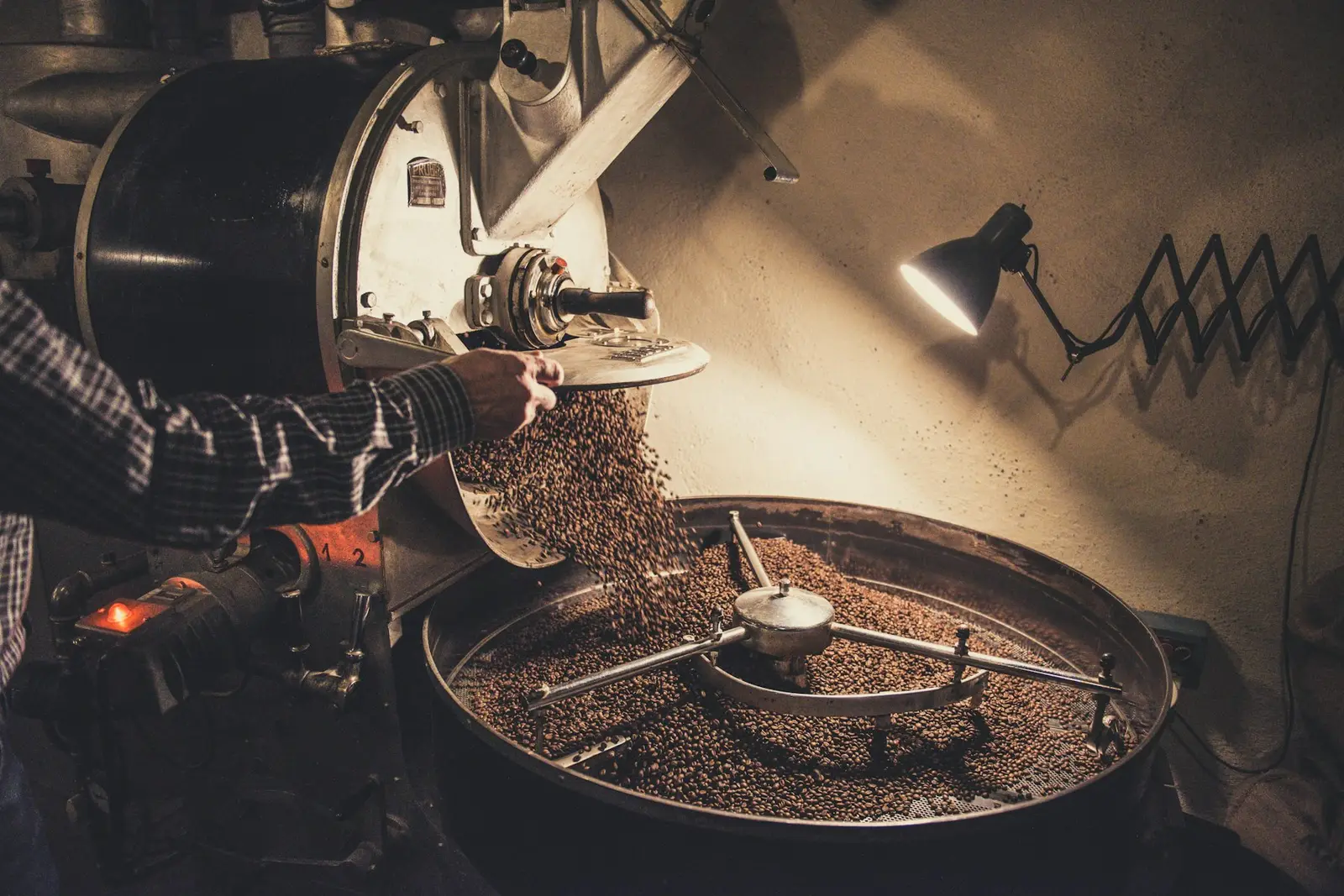
Photograph from Unsplash.